
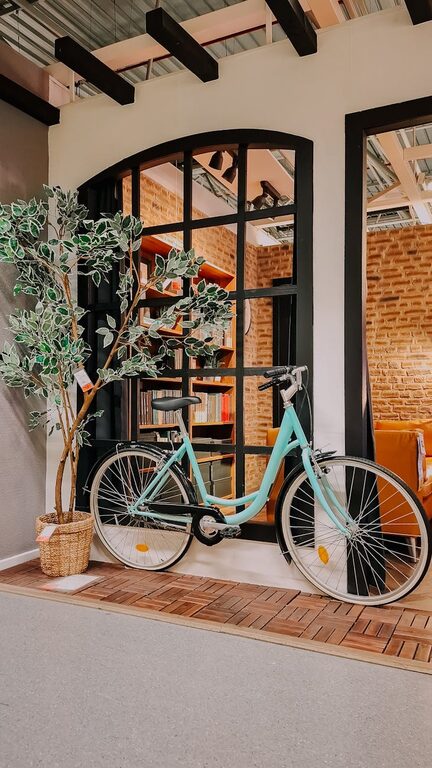
Bringing plants into your home is one of the easiest and most rewarding ways to refresh your living space. Not only do plants add a touch of natural beauty, but they also improve air quality and create a calming atmosphere. Whether you’re new to indoor gardening or have a green thumb, there are plenty of ways to incorporate plants into your décor.
In this guide, we’ll explore practical tips on choosing, arranging, and caring for plants that can breathe new life into your home.
Why Add Plants to Your Home?
Before diving into the how-to, it’s worth understanding the benefits of indoor plants:
– Improve Air Quality: Many plants filter toxins and release oxygen.
– Enhance Aesthetics: Greenery adds color, texture, and interest.
– Boost Mood: Studies show plants can reduce stress and increase happiness.
– Create a Focal Point: Plants draw the eye and can complement decor.
– Connection with Nature: Bringing the outdoors inside creates a soothing environment.
Choosing the Right Plants for Your Space
Not all plants thrive indoors the same way. Consider these factors to find the best match:
Light Levels
Check how much natural light your room receives:
– Bright, Direct Light: South or west-facing windows. Try succulents, cacti, or fiddle leaf figs.
– Moderate, Indirect Light: East-facing windows or shaded by curtains. Good options include snake plants, pothos, or peace lilies.
– Low Light: Rooms with little natural light. Choose resilient plants like ZZ plants or philodendrons.
Space Available
Think about where you want to place your plants:
– Small Spaces: Desk plants or hanging pots work well.
– Large Areas: Floor-standing plants like monstera or rubber plants make a statement.
– Wall Space: Vertical gardens or mounted planters save room and add interest.
Styles of Indoor Plant Displays
Plant styling helps integrate them smoothly into your home design.
Grouping Plants
Arranging multiple plants together can create an eye-catching display. Vary heights and leaf shapes for visual appeal. Use matching pots or mix styles for an eclectic look.
Decorative Pots
Choose pots that complement your existing decor. Neutral colors suit minimalist spaces, while vibrant pots can add personality. Consider materials like ceramic, terracotta, or woven baskets.
Indoor Plant Shelf
Install shelves dedicated to your plants to create a living feature wall. Group plants by size and light needs.
Hanging Plants
Use hanging planters to add greenery without taking up floor space. Trailing plants like English ivy or string of pearls look lovely suspended.
Basic Plant Care Tips
Once your plants are in place, proper care is key to keeping them healthy and vibrant.
Watering
– Check the specific water requirements of each plant.
– Avoid overwatering; most indoor plants prefer soil to dry out between watering.
– Use watering cans with narrow spouts for precision.
Lighting
– Rotate plants periodically to ensure even light exposure.
– Consider grow lights if natural light is insufficient.
Feeding
– Use a balanced liquid fertilizer during the growing season (spring and summer).
– Follow package instructions to avoid overfeeding.
Cleaning Leaves
– Dust can block sunlight, so gently wipe leaves with a damp cloth.
– For fuzzy leaves, use a soft brush.
Pest Control
– Inspect plants regularly for pests like spider mites or aphids.
– Remove affected leaves and treat with natural insecticidal soap if needed.
Creative Ways to Refresh Your Home with Plants
Here are some ideas beyond basic pot placement:
Herb Garden on the Kitchen Windowsill
Fresh herbs like basil, mint, and rosemary add greenery and flavor to your cooking.
Terrariums and Miniature Gardens
Create a small world inside a glass container. These are perfect for desks or shelves.
Succulent Centerpieces
Low-maintenance and attractive, succulents arranged in decorative dishes make great table accents.
Outdoor Plants Indoors
Bring cut branches or flowers indoors to complement your potted plants.
Plant Corners
Designate a cozy nook with several plants, a reading chair, and natural light for a relaxing retreat.
Final Tips for Success
– Start small and add more plants gradually as you learn.
– Match plants to your lifestyle and the time you can invest in care.
– Experiment with different arrangements until you find what feels right.
– Enjoy the process! Plants are living decor that grow and change.
Refreshing your home with plants is an inviting way to enhance your living space. With these tips, you can create a vibrant, healthy, and visually pleasing environment that brings joy every day. Happy planting!